Geocaching for Beginners: At the Coordinates but Still No Cache?
Geocaching is an outdoor treasure hunt in which a listing leads you toward a hidden container. Arriving at the coordinates is the start of the close search. Your position reading has uncertainty, and the container may blend into its surroundings. You do not need the distance display to reach zero before looking around.
Choose a first outing you can finish
Pick a nearby Traditional Cache with low difficulty and terrain ratings, a manageable container size and recent successful finds. Read the description, access details and attributes before setting off; a map pin is not an entrance. Puzzle and multi-stage caches can require extra work before you have the final coordinates. Bring a pen and allow time to return in daylight. The official beginner tips explain container sizes, ratings and the value of recent logs.
Why the pin will not settle
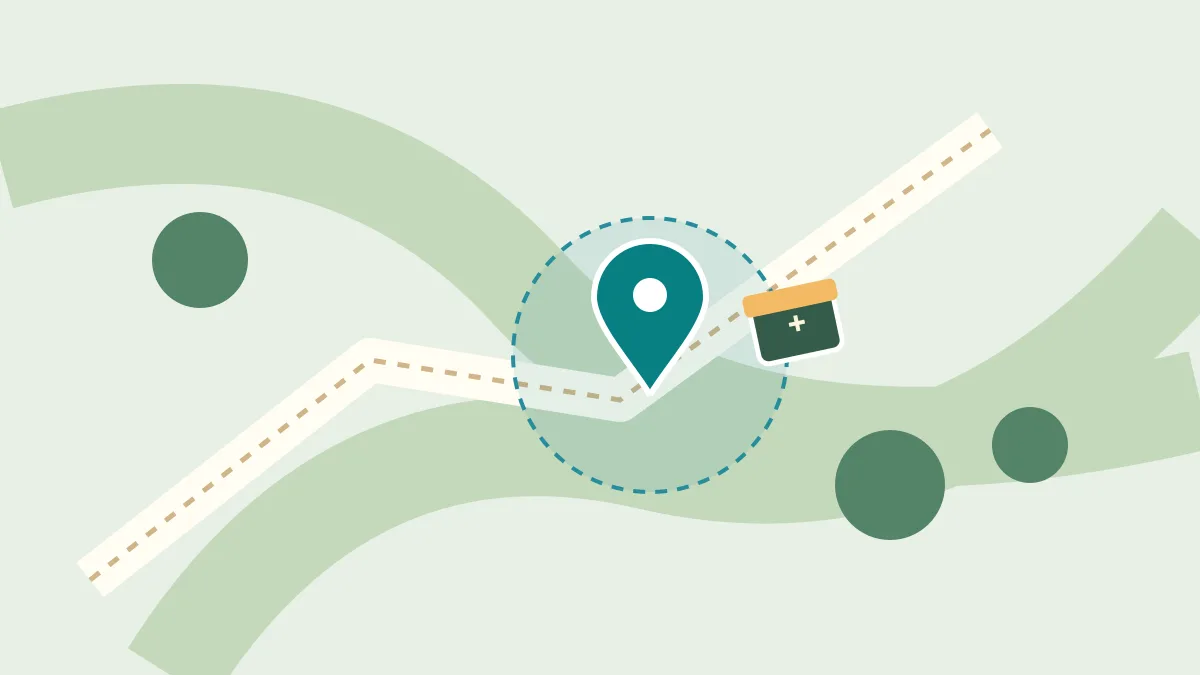
GPS.gov explains that blocked and reflected signals, receiver design and satellite geometry affect positioning. Buildings and trees can make a reading worse. The owner's original coordinates may also contain error. Extra decimal places do not remove either uncertainty.
A distance that changes from 8 m to 3 m and back is not proof that the container moved or that you passed it. Pause where you can safely see more open sky, let the reading update, and compare it with paths and landmarks. This may help you orient yourself; it does not guarantee a precise fix. If entering coordinates manually, check the format, order and signs.
Change from navigation to observation
Near the listed location, check the container size and hint again. Search accessible features matching the clue rather than repeatedly following a changing arrow. Look before reaching into gaps; do not dismantle structures or damage plants.
For example, imagine a fictional hint saying “beside the path, under wood.” First identify which path is meant, then inspect permitted, reachable spots that fit. Do not cross a fence simply because the dot is on the other side. If the direction display itself seems wrong, use the compass troubleshooting guide.
When to stop searching
Set a short search budget for your first attempt. Repeated recent “did not find” logs may indicate a difficult or missing cache, but they do not prove it is gone. Recheck the listing, then leave if access is closed, the location feels unsafe or the search is causing damage. A DNF (did not find) is a useful record, not a failed day out. Describe where your search became difficult without revealing a hiding place.
Finish without spoiling the next find
For a physical cache, sign the logbook and put the container back exactly where you found it, closing it properly. Record the result online and keep spoiler photographs out of public posts. The official getting-started guide shows this finding-and-returning sequence. A good first outing leaves both the cache and its surroundings ready for the next visitor.
Related Articles

2026-11-10
How to Make GPS Art on Your First Walk
Plan a simple shape on public paths, check the corners, and share the finished GPS drawing.
2026-10-31
An After-Dinner Walk, One Bus Stop Further
A short story about a missed bus, a bakery still lit after dinner, and the bread that makes a small detour worth remembering.
2026-10-22
Landmark Photo Ideas: Keep Your Location in the Picture
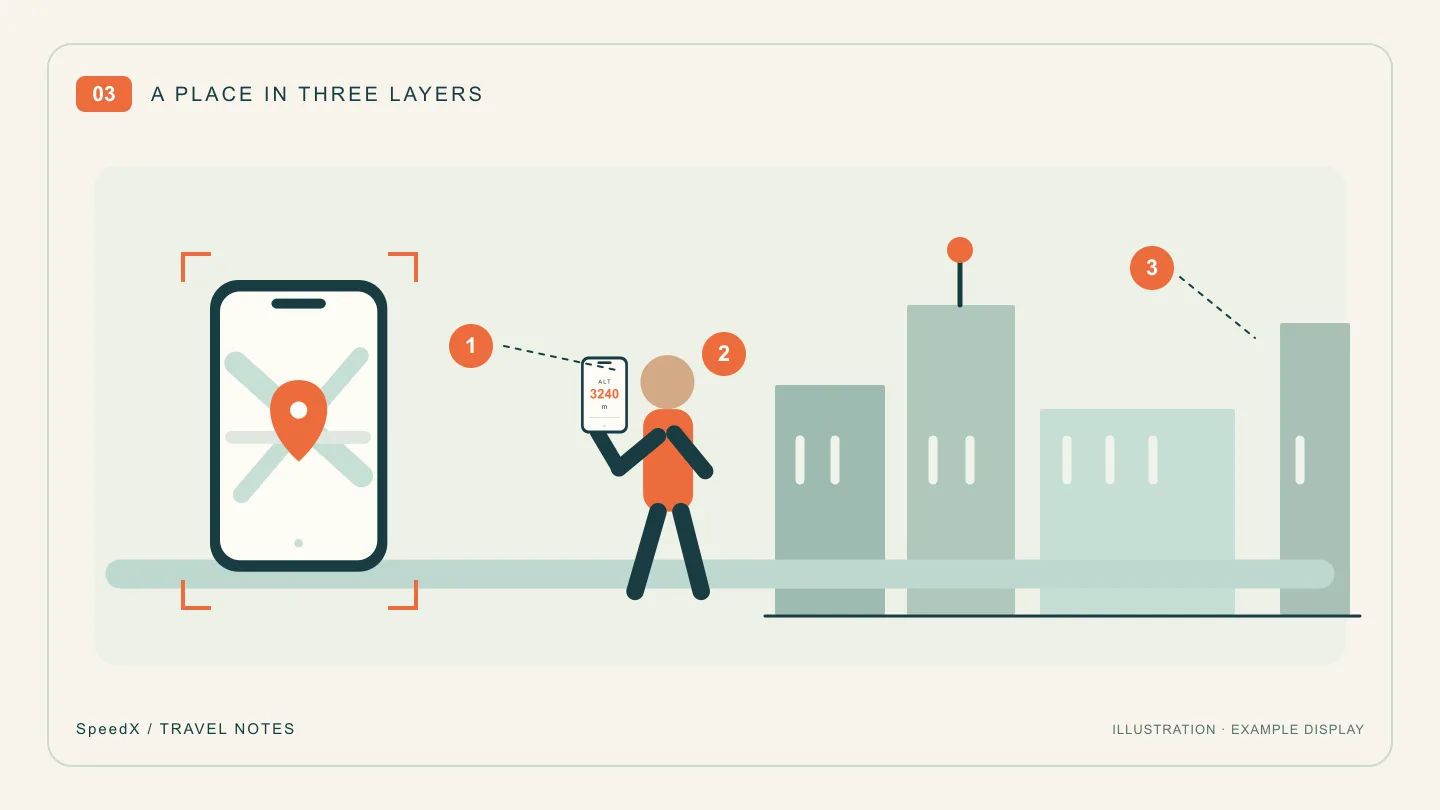
Make a sightseeing check-in photo more personal with a landmark, your current location and a readable phone screen, plus a simple three-shot plan.