A Railfan's Train Travel Journal: What to Record on Each Ride
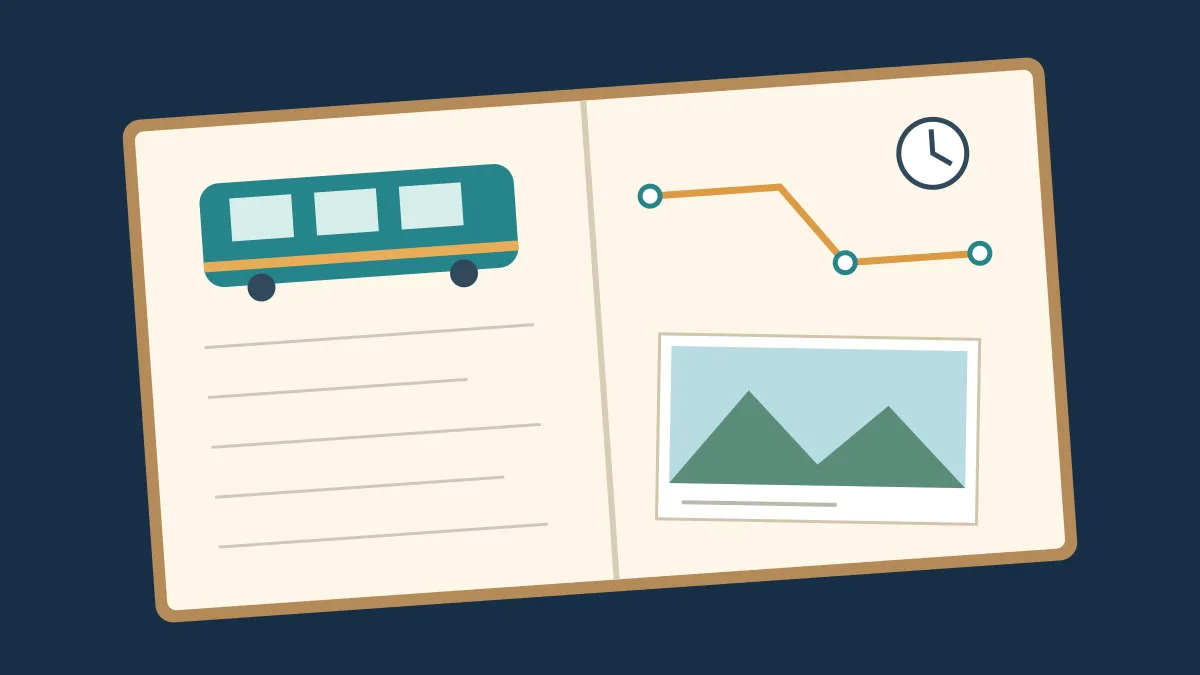
A train travel journal helps you remember which service crossed the river, where the long stop happened and what was outside your window. Start with one page per ride. A few well-labelled observations are easier to revisit than a folder of screenshots with no context.
Give each ride an identity
Before departure, note the date, operator, origin, destination and service number shown on your ticket or passenger information. Record the train class and unit number separately if you can identify them: a service number describes a scheduled journey, while a unit number identifies the vehicle or trainset. Leave uncertain details blank or label them “to verify”; paintwork alone is a weak basis for identification.
Use a small, repeatable log
Copy this template into a notebook or notes app. These are suggested fields, not a real journey record:
- Date and time zone:
- Operator / service number:
- Origin → destination:
- Train class / unit number / identification source:
- Scheduled departure / observed departure:
- Scheduled arrival / observed arrival:
- Intermediate stop or landmark / time / photo filename:
- Speed observation / unit / source / time:
- One detail to remember / one question to check later:
Choose a consistent convention, such as “departure = the moment the train begins moving.” A platform display's time, a timetable and your own observation describe different things. On an overnight or cross-border trip, keep dates and time zones with the times.
Describe speed with its source
Record “GPS display, 118 km/h, 14:32” rather than “this line runs at 118.” This is a fictional notation example, not a measurement. A carriage display and a phone reading may use different sources and update at different moments. A single peak does not establish the train's capability or the route's speed limit.
Leave gaps where reception is lost. Do not interpret a frozen number as a fresh measurement or draw a straight route through missing points as though it were observed. The explanation of GPS reception in tunnels helps make sense of interrupted records. You can keep a worthwhile journal without recording speed at all.
Tie three photographs to the page
Try one train-identification image taken from an allowed place, one view of a memorable station and one landscape through the window. Record the filenames or photo times next to the matching entry. Note the side of the train relative to travel direction if it matters. Nearby objects sweep past faster than distant scenery because of motion parallax; one blurred foreground does not establish a higher train speed.
Follow the operator's local photography rules, stay out of restricted areas and keep clear of platform edges and passengers. Network Rail's enthusiast guidance is one operator-specific starting point, not permission for every railway.
Close the page after arrival
Add a sentence about what made the ride distinct. Verify uncertain train details and retain the source rather than silently turning a guess into a fact. Before sharing, obscure ticket codes, booking references and other people's identifying details. Use the three-photo travel journal idea if you want to turn the log into a short story. A month later, a named station, a time and a small observation will bring back more than an unexplained maximum-speed screenshot.
Related Articles
2026-10-31
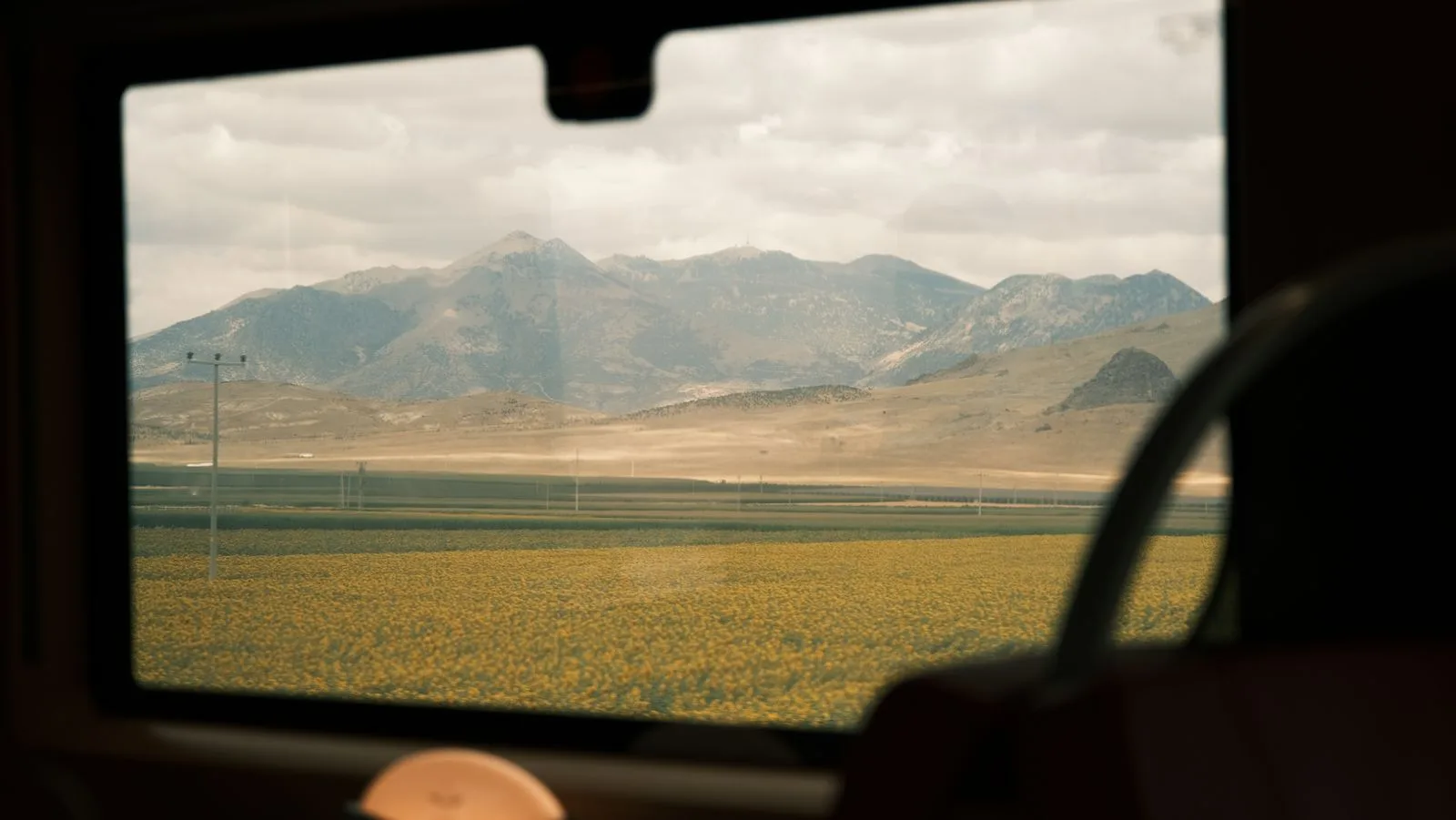
A Slow Train Afternoon and the Window Seat
A quiet fictional train story: a forgotten book, a child counting tunnels, and a window reflection on the way to visit a friend.
2026-10-22
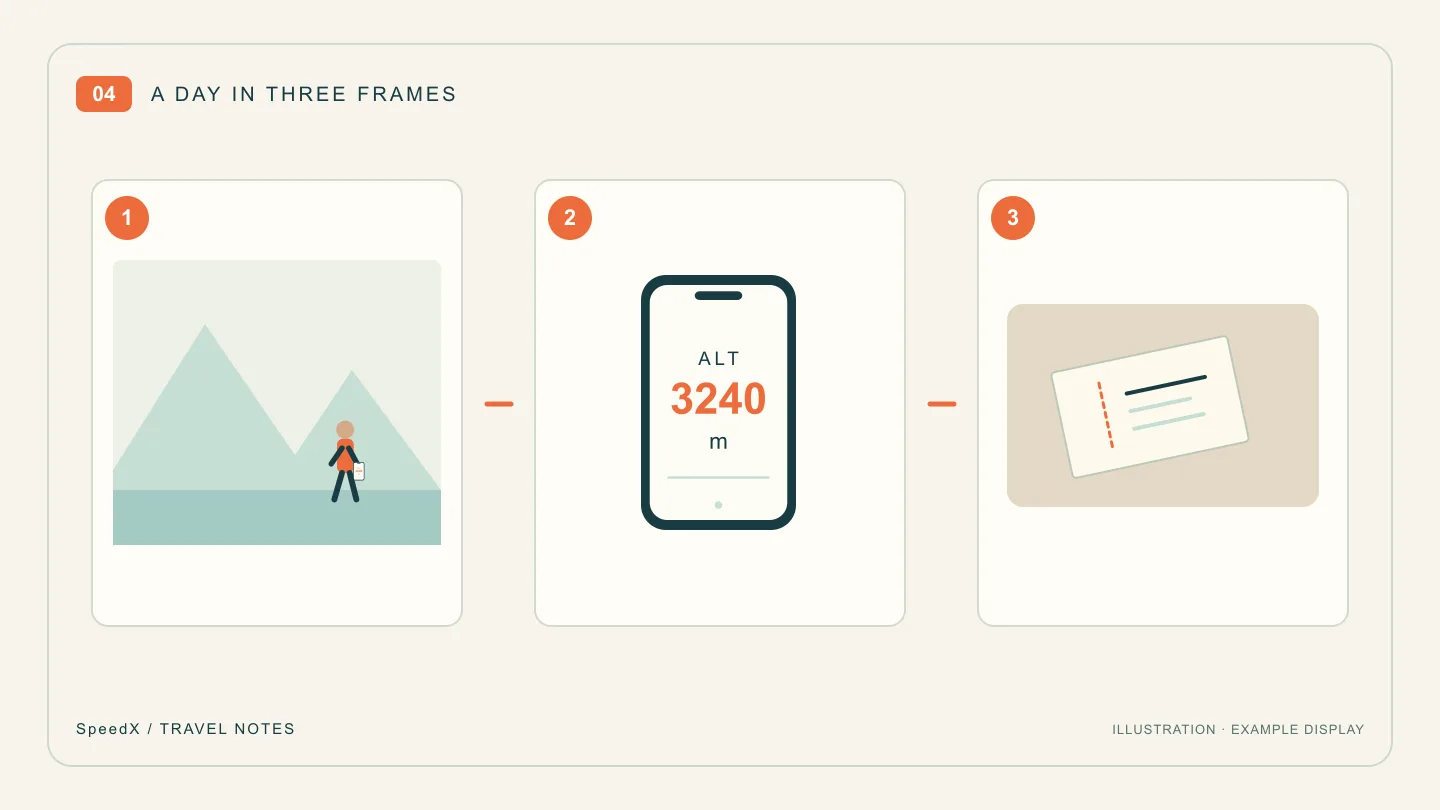
A Three-Photo Travel Journal: Place, Altitude and One Small Detail
Turn a day trip into a short photo story with an establishing view, an altitude portrait and a telling detail. Includes a caption template to make your own.
2026-11-19
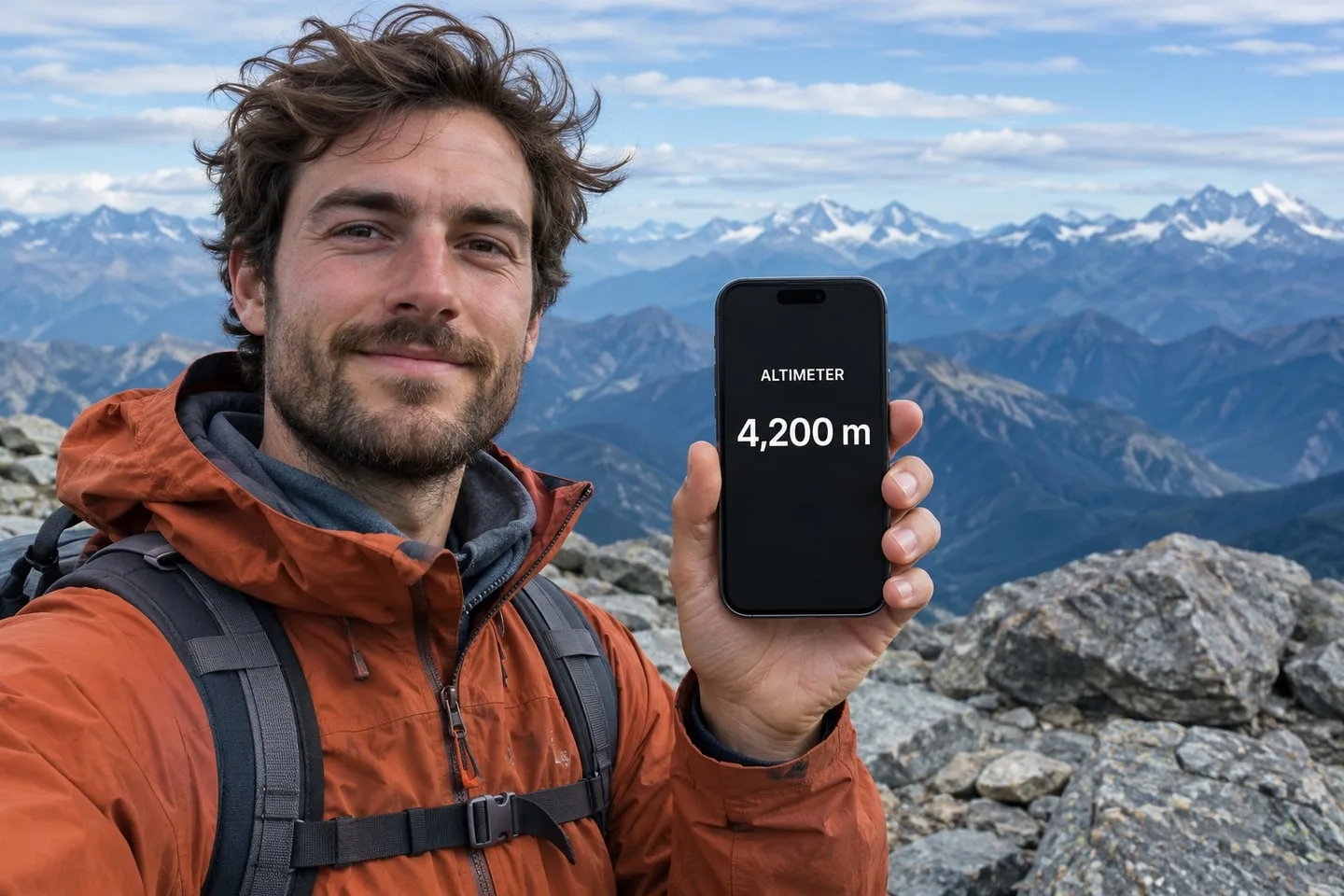
What App Shows Altitude on Your Phone in Mountain Photos?
Use the SpeedX altimeter on your iPhone to display your altitude in a mountain photo, even where there’s no cell service.